
.jpg)
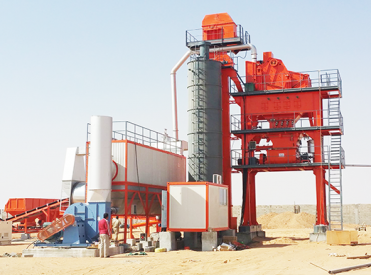
In the fast-evolving road construction industry, the quality of hot mix asphalt (HMA) and production efficiency directly determine pavement durability, project timelines, and overall construction profitability.
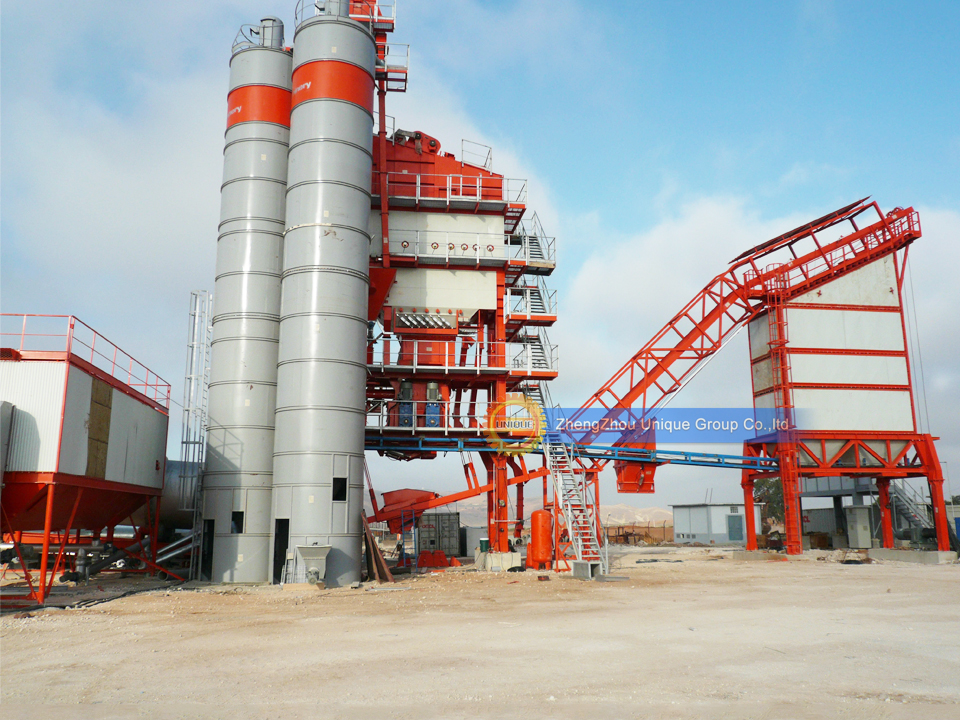
With the advancement of intelligent manufacturing, modern asphalt plants have undergone comprehensive upgrades. These innovations not only standardize production but also significantly boost efficiency, helping enterprises adapt to high-standard infrastructure projects and strict environmental regulations.
1. Unmatched Precision: Automated Batching & Intelligent Proportioning
Precision automated batching forms the core foundation of superior asphalt mix quality. Traditional plants rely heavily on manual operation and semi-automatic weighing, which inevitably produces cumulative errors in aggregate, bitumen, and additive ratios. Even minor deviations can cause serious quality defects, such as poor aggregate coating and reduced compressive strength.
Modern asphalt plants solve this with high-precision independent weighing sensors and dynamic compensation algorithms:
· Aggregate Batching Error: Strictly controlled within ±0.5%.
· Bitumen Batching Error: Strictly controlled within ±0.3%.
· Consistency: Ensures every batch fully complies with international road construction specifications.
2. Advanced Temperature Control & Optimized Mixing
Temperature is the most critical variable in asphalt production. Excessive heat leads to bitumen aging and reduced flexibility, while insufficient heat causes incomplete drying and water damage.
Modern plants utilize closed-loop real-time temperature monitoring with high-sensitivity sensors installed in drying drums, mixing tanks, and finished material silos. The central control system automatically adjusts burner power and air flow to maintain the optimal production range of 150–180°C.
The Counterflow Advantage
Many upgraded plants now adopt counterflow drying and mixing technology, a significant improvement over traditional parallel-flow systems:
· Uniform Heating: Aggregates move against hot air flow, creating a longer heating zone.
· Moisture Removal: Thoroughly removes residual moisture, even in humid weather.
· Full Coating: Extended retention time ensures every particle is fully wrapped by bitumen.
· Standardized Mixing: Strictly maintained at 90–120 seconds per batch to balance quality and efficiency.
Intelligent centralized control realizes refined production management. Modern plants integrate fully automated PLC centralized control systems, managing everything from raw material feeding to finished material discharging.
Real-Time Visibility
The central control platform displays live data, allowing managers to adjust strategies instantly:
· Production output and material consumption
· Equipment operating parameters
· Energy consumption metrics
Every batch of asphalt mix is assigned a unique electronic ID, recording:
· Raw material sources
· Production time and batching data
· Responsible operators
4. Green Efficiency: Energy Saving & RAP Recycling
Modern asphalt plants balance high-quality production with environmental responsibility through structural optimization and recycling technology.
Energy Optimization
· Insulated Silos: Effectively reduce heat loss, avoiding secondary heating costs.
· Dual-Fuel Systems: Automatic switching of energy sources reduces unit product energy consumption by >15%.
Advanced Reclaimed Asphalt Pavement (RAP) systems crush, screen, and regenerate waste asphalt materials for reuse in new mixes. This achieves a win-win of economic and environmental benefits by:
· Reducing construction waste discharge
· Lowering raw material procurement costs
· Meeting stringent environmental protection standards
Modern asphalt plants achieve comprehensive upgrades through intelligent batching, precise temperature control, digital management, and green design. These technological improvements directly solve traditional pain points like unstable quality and high energy consumption.
For road construction enterprises, investing in modern intelligent asphalt mixing equipment is not just about improving project quality—it is a strategic choice to adapt to the global trend of intelligent, refined, and green infrastructure development. As construction standards continue to rise, modern asphalt plants will provide the reliable technical support needed for high-quality road construction worldwide.
Frequently Asked Questions (FAQ)
1. How does modern automated batching improve asphalt mix quality compared to traditional methods?
Modern asphalt plants utilize high-precision independent weighing sensors and dynamic compensation algorithms to control aggregate batching error within ±0.5% and bitumen batching error within ±0.3%. This eliminates the cumulative errors and human-induced deviations common in traditional manual or semi-automatic systems, ensuring every batch fully complies with international road construction specifications and significantly reducing long-term maintenance costs.
2. What is the optimal temperature range for asphalt production, and how is it maintained?
The optimal production temperature for hot mix asphalt is strictly maintained between 150–180°C. Modern plants achieve this through closed-loop real-time temperature monitoring, with high-sensitivity sensors installed in drying drums, mixing tanks, and finished material silos. The central control system automatically adjusts burner power and air flow to prevent bitumen aging from excessive heat or water damage from insufficient heat.
3. How does counterflow drying technology enhance mixing efficiency?
Counterflow drying and mixing technology allows aggregates to move against the hot air flow, creating a longer and more uniform heating zone. This design thoroughly removes residual moisture even in humid weather and extends retention time to ensure every particle is fully coated by bitumen. Combined with standardized mixing times of 90–120 seconds per batch, it perfectly balances superior mix quality with production efficiency.
4. What are the tangible efficiency gains of intelligent centralized control systems?
Intelligent centralized control systems integrate fully automated PLC management from raw material feeding to finished product discharging. The central platform provides real-time visibility into production output, material consumption, and energy metrics, while assigning a unique electronic ID to every batch for full-process traceability. This automated operation reduces on-site labor demand and improves single-shift production efficiency by 20%–30% compared to traditional equipment.
5. How do modern asphalt plants achieve both energy savings and environmental compliance?
Modern plants balance production with environmental responsibility through structural optimization and recycling technology. Insulated silos reduce heat loss, while dual-fuel systems with automatic switching lower unit product energy consumption by over 15%. Additionally, advanced Reclaimed Asphalt Pavement (RAP) systems crush, screen, and regenerate waste materials for reuse, reducing construction waste discharge, lowering raw material procurement costs, and meeting stringent environmental protection standards.