
.jpg)
What Is an Asphalt Mixing Plant? A Practical Guide for Modern Road Construction
Every smooth highway, city boulevard, airport runway, or industrial road begins with one essential material—high-quality asphalt mixture. But have you ever wondered what ensures that every batch of asphalt meets strict engineering standards?
The answer is an asphalt mixing plant.
Whether you're a contractor, project owner, procurement manager, or simply new to the road construction industry, understanding how an asphalt mixing plant works is the first step toward choosing the right equipment for your projects.
What Is an Asphalt Mixing Plant?
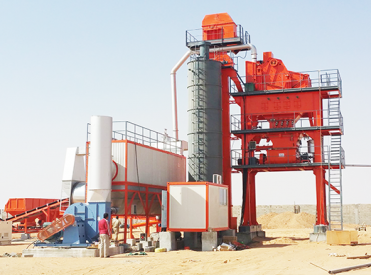
An asphalt mixing plant is an industrial system designed to accurately proportion, dry, heat, screen, and mix aggregates (such as crushed stone and sand), mineral filler, and asphalt binder to produce Hot Mix Asphalt (HMA) for road construction.
In simple terms, it is a complete production facility that transforms raw materials into uniform asphalt mixtures with consistent quality. By automating the entire process, the plant minimizes human error, improves production efficiency, and ensures every batch meets engineering specifications.
The quality of the asphalt produced has a direct impact on road durability, driving comfort, and long-term maintenance costs.
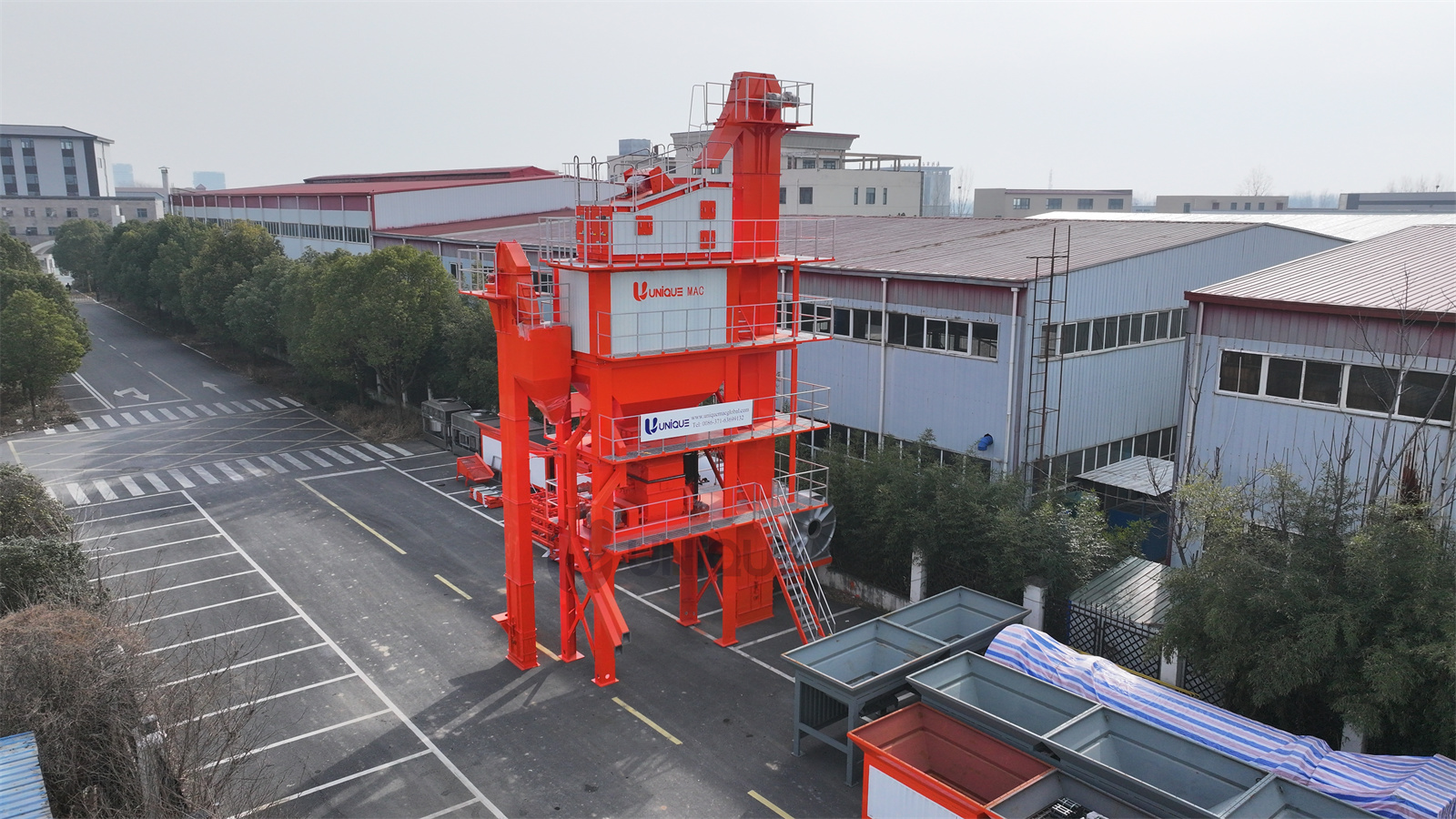
Two Main Types of Asphalt Mixing Plants
Although asphalt plants are available in many configurations, they are generally classified in two ways: working mode and mobility.
1. Batch Asphalt Mixing Plant
A batch asphalt mixing plant produces asphalt one batch at a time. Each production cycle is independently weighed, mixed, and discharged, allowing precise control over every ingredient.
Key advantages:
Typical applications:
Because of its flexibility and precision, the batch plant remains the preferred choice for many medium- and large-scale infrastructure projects worldwide.
2. Continuous Asphalt Mixing Plant
Unlike batch plants, a continuous plant feeds, heats, mixes, and discharges materials without interruption.
Its greatest strengths are high productivity, lower operating costs, and efficient continuous production, making it particularly suitable for projects requiring large volumes of standardized asphalt.
Typical applications:
While recipe changes are less flexible than with batch plants, continuous plants deliver outstanding productivity for repetitive production.
Stationary or Mobile?
Another important consideration is whether the plant needs to remain in one location or move between job sites.
Stationary Asphalt Mixing Plant
Stationary plants are permanently installed at a fixed location and are designed for long-term production.
They typically offer:
These plants are commonly used for permanent asphalt supply bases and major infrastructure developments.
Mobile Asphalt Mixing Plant
Mobile asphalt plants are designed for fast transportation, quick installation, and easy relocation.
Their advantages include:
They are widely used for rural road construction, municipal maintenance, emergency repairs, and contractors managing multiple project locations.
Where Are Asphalt Mixing Plants Used?
Modern asphalt plants support a wide range of infrastructure projects, including:
As global investment in transportation infrastructure continues to grow, asphalt mixing plants remain indispensable equipment for delivering reliable pavement quality.
Choosing the Right Plant
There is no single "best" asphalt mixing plant—only the one that best fits your project.
When selecting equipment, several factors should be considered:
Projects with demanding quality standards often benefit from batch plants, while large-volume, continuous paving operations may achieve greater efficiency with continuous plants. Likewise, stationary plants are ideal for long-term production, whereas mobile plants provide unmatched flexibility for contractors working across multiple locations.
Looking Ahead
Today's asphalt mixing plants are evolving beyond simple production equipment. Intelligent control systems, energy-saving technologies, recycled asphalt (RAP) integration, and environmentally friendly dust collection systems are becoming standard features across the industry.
These innovations help contractors improve productivity while reducing fuel consumption, emissions, and operating costs—making road construction both more efficient and more sustainable.
Final Thoughts
An asphalt mixing plant is much more than a machine—it's the heart of modern road construction. The right equipment ensures consistent asphalt quality, improves project efficiency, and contributes to longer-lasting infrastructure.
As transportation networks continue to expand worldwide, selecting the appropriate asphalt mixing solution has become an important strategic decision for contractors, project developers, and infrastructure investors alike.
What type of asphalt mixing plant best suits your projects—batch or continuous, stationary or mobile?
I'd love to hear your experience and perspectives in the comments. Let's discuss the future of asphalt production and road construction together.