
.jpg)
Choosing an asphalt mixing plant is not simply a matter of comparing capacity and prices. Two plants may have similar output ratings but perform very differently once they are operating on a real project. Fuel availability, aggregate moisture, mix requirements, site conditions, mobility, maintenance, and after-sales support can all affect the final cost of producing asphalt. For contractors and plant owners, the better approach is to look at the whole project first and then choose the plant around it.
The first question is simple: How much asphalt mix do you actually need? A basic estimate can be made using:
Total mixture demand = paving length × paving width × layer thickness × asphalt density
Asphalt density is commonly around 2.3–2.4 tons per cubic meter. For example, a 10 km road, 7 m wide, with a 5 cm asphalt layer would require roughly 8,000–8,500 tons of mixture. Once the total quantity is known, divide it by the planned working days and productive operating hours to estimate the required hourly output.
Do not size the plant exactly to the calculated figure, though. Real production is affected by aggregate moisture, fuel conditions, maintenance, loading efficiency, and other interruptions. A reasonable production margin helps the plant avoid running continuously at its maximum rated capacity.
· 20–60 TPH: smaller road maintenance and resurfacing projects
· 60–100 TPH: municipal and medium-sized road projects
· 100–160 TPH: larger highway and infrastructure projects
· 160+ TPH: major continuous paving and large infrastructure work
2. Drum Mix or Batch Mix?
This is one of the most important decisions when selecting an asphalt plant.
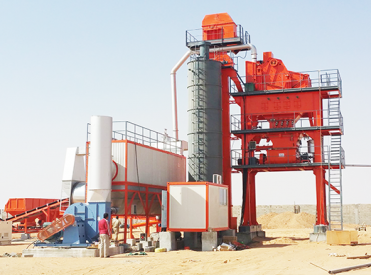
A drum asphalt mixing plant dries and mixes aggregates continuously inside the drum. The finished mixture is discharged continuously, making this type well suited to projects that require a large volume of the same or similar asphalt mixture.
Its main advantages are relatively simple operation, fewer major components, and generally lower initial and operating costs. The tradeoff is flexibility. Changing between different mix designs is less convenient than with a batch plant.
A batch asphalt mixing plant handles aggregates, bitumen, and filler in measured batches before mixing them in a separate mixer. This allows tighter control over the mixture and makes it easier to change mix formulas during production.
· Rural road construction
· Highway maintenance
· Remote projects
· Projects with multiple production sites
A stationary asphalt mixing plant is usually a better choice when production will remain at one location for a long period. It can be a good solution for commercial asphalt suppliers, large road contractors, or plants serving several projects from a central location.
· Installation and commissioning
· Operator training
· Warranty terms
· Technical support
· Response time for service issues
Equipment + transportation + installation + fuel + maintenance + wear parts + spare parts + downtime
For example, a cheaper plant with higher fuel consumption or expensive non-standard wear parts may cost more over several years than a higher-priced plant with better efficiency and easier maintenance.
Shipping and site logistics should also be considered early. Large components can require special transport arrangements, and these costs can vary significantly depending on the destination.
A small road maintenance contractor may prioritize mobility and simple operation. A highway contractor may need higher continuous output. A commercial asphalt producer may place more emphasis on long-term reliability and production flexibility.
Before making a decision, ask yourself:
· How much asphalt do I need per day?
· How many hours will the plant operate?
· Will the production site change?
· How many mix designs will I produce?
· Will I use RAP?
· What fuels are available locally?
· What environmental requirements apply?
· How easy will it be to obtain spare parts and technical support?
One is choosing capacity based only on the maximum rated output. Another is selecting a drum plant when frequent mix changes require the flexibility of a batch plant.
Ignoring dust-control requirements can also create problems after installation, especially in areas with strict environmental regulations.
Finally, do not overlook after-sales support. A plant is a long-term investment, and the supplier's ability to provide spare parts, commissioning assistance, and technical support can have a direct impact on production.
Start with the required production capacity. Then decide whether continuous production or mix flexibility is more important. After that, consider mobility, fuel consumption, environmental requirements, RAP capability, maintenance, and technical support.
The lowest purchase price is not always the lowest operating cost.
UNIQUEMAC provides mobile and stationary asphalt mixing plant solutions for different project requirements and production capacities. If you are comparing plant configurations, you can share your expected output, project type, location, working hours, and mix requirements with our team. We can then recommend a suitable configuration based on the actual project conditions.