
.jpg)
Selecting the right asphalt mixing plant is one of the most critical capital expenditure decisions for road construction contractors and infrastructure developers. The choice between a mobile and a stationary configuration dictates not only the initial financial outlay but also the long-term operational agility, maintenance overhead, and project delivery capabilities.
While historical industry wisdom often relegated mobile plants to low-volume rural roads and reserved stationary plants for high-specification highways, modern engineering has significantly blurred these lines. Today’s mobile units can achieve production capacities previously exclusive to stationary installations, while stationary plants have adopted modular designs to improve transportability.
This comprehensive guide systematically evaluates mobile and stationary asphalt plants across ten critical dimensions. It is designed to provide engineering and procurement leaders with the analytical framework needed to align equipment selection with specific project requirements, financial constraints, and long-term business strategies.
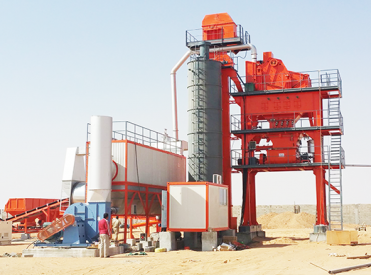
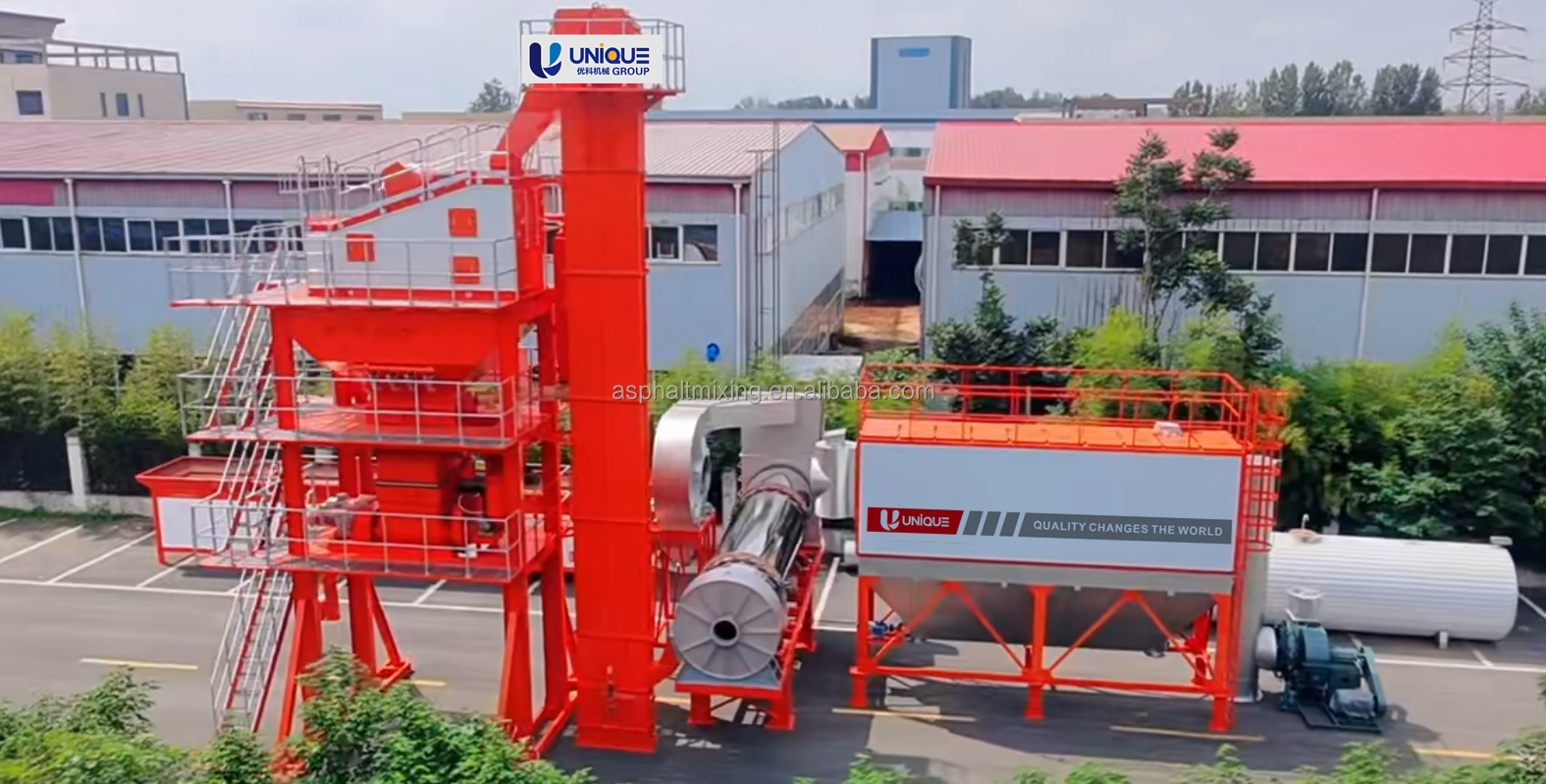
Stationary asphalt plants are engineered for permanence. They are typically installed on reinforced concrete foundations and feature a vertical, gravity-fed layout that maximizes energy efficiency and material flow. The structural steelwork is heavy-duty, designed to withstand decades of continuous operation in a single geographic location. Aggregate bins, drying drums, and mixing towers are integrated into a unified, permanent structure.
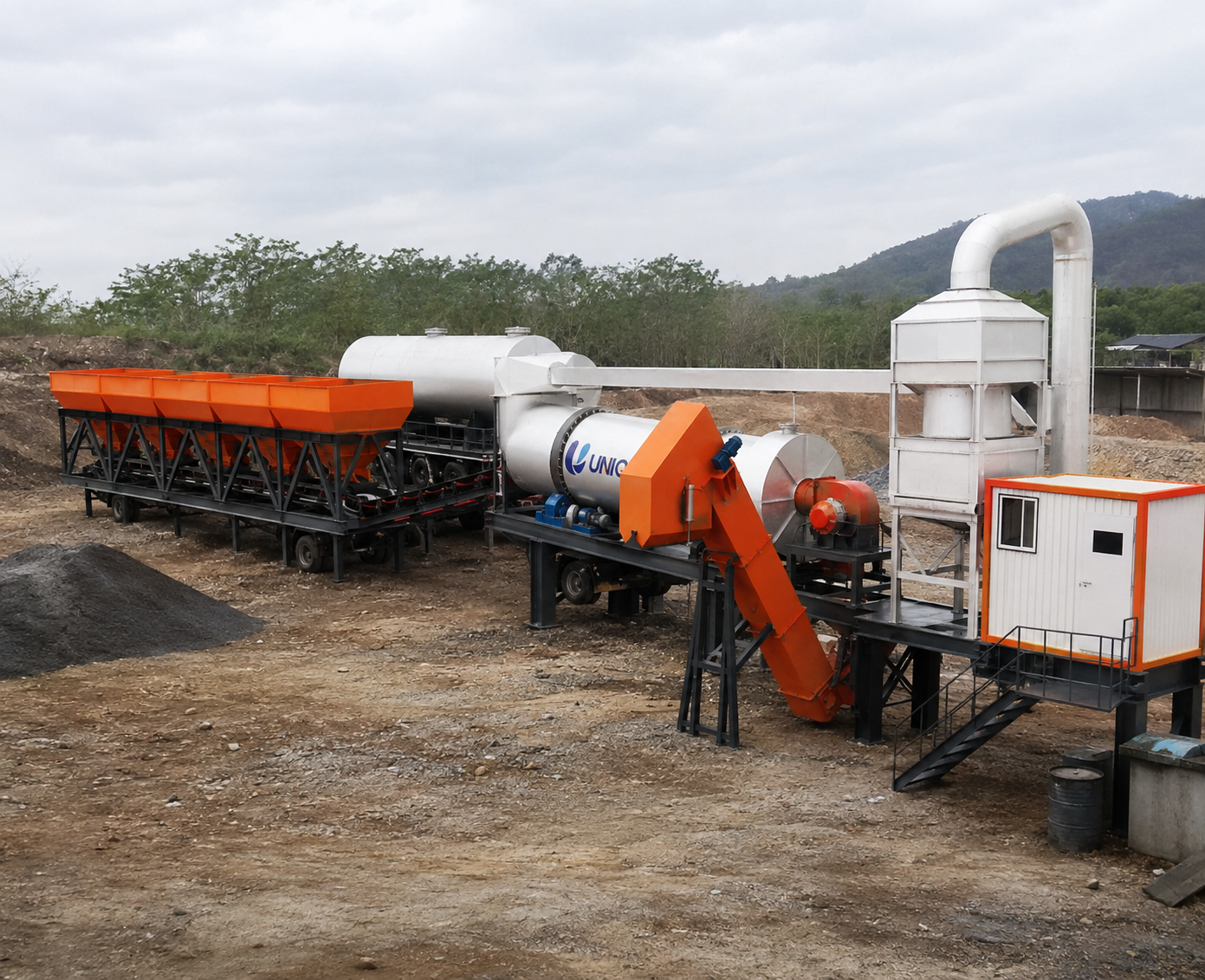
Conversely, mobile asphalt plants are defined by modularity and transportability. Their design philosophy prioritizes a compact footprint and rapid assembly. Key components are mounted on custom-engineered trailers or skid-mounted frames. To facilitate road transport, the vertical profile is minimized, and components are hinged or telescopic. Despite this compact form factor, modern mobile plants utilize pre-wired and pre-plumbed modular units, ensuring that the internal material flow and mixing dynamics remain highly efficient without the need for permanent civil works.
For decades, stationary plants held a distinct advantage in maximum throughput, routinely delivering 40 to 400 tons per hour (t/h) with exceptional consistency. They are the undisputed standard for mega-projects requiring uninterrupted, high-volume production.
However, the capacity gap has narrowed significantly. Advanced mobile asphalt plants now routinely achieve outputs of 240 to 320 t/h, making them viable for major highway rehabilitation and large-scale municipal projects.
Regarding output consistency, stationary plants generally benefit from larger aggregate storage bins and more robust drying systems, which provide a larger buffer against material moisture variations. Mobile plants, while highly capable, require more disciplined material management and consistent aggregate feeding to maintain peak output consistency, as their inline storage and compact drying drums have less inherent buffering capacity.
Financial evaluation must extend far beyond the initial purchase price.
Initial Investment: Mobile plants typically require a lower upfront capital outlay. Crucially, they eliminate the substantial cost of concrete foundations and extensive site preparation. Stationary plants demand significant civil engineering investments before the first ton of asphalt is produced.
Operational Costs: Stationary plants generally offer lower operating costs per ton at high volumes due to superior thermal efficiency and automation. Mobile plants may consume slightly more fuel per ton due to compact burner and dryer designs, but this is often offset by reduced logistics costs when the plant is positioned adjacent to the paving site.
Hidden Costs: For stationary plants, decommissioning and relocation at the end of a multi-year contract can be financially devastating, involving demolition, disposal, and new foundation costs. Mobile plants transform this liability into an asset; they can be relocated to the next project, turning a sunk cost into reusable capital.
Mobility is the primary differentiator. A stationary plant is a fixed asset; relocating it is a massive logistical undertaking that can take months and cost hundreds of thousands of dollars.
Mobile plants are designed for rapid deployment. Modern units can be towed to a site and fully operational within days, not months. The modular design, combined with pre-assembled electrical and pneumatic connections, drastically reduces on-site labor requirements. This rapid setup is invaluable for emergency road repairs, disaster recovery, and contractors managing multiple, geographically dispersed projects. The ability to follow the paving operation minimizes haul distances, reducing trucking costs and asphalt temperature loss.